

Do laundry differently
We design and build systems that move, sort and inspect linen at industrial speed. We design and build systems that move, sort and inspect linen at industrial speed. From soiled returns through clean-side quality control. Less manual handling. Fewer escaped defects. Clearer operations.
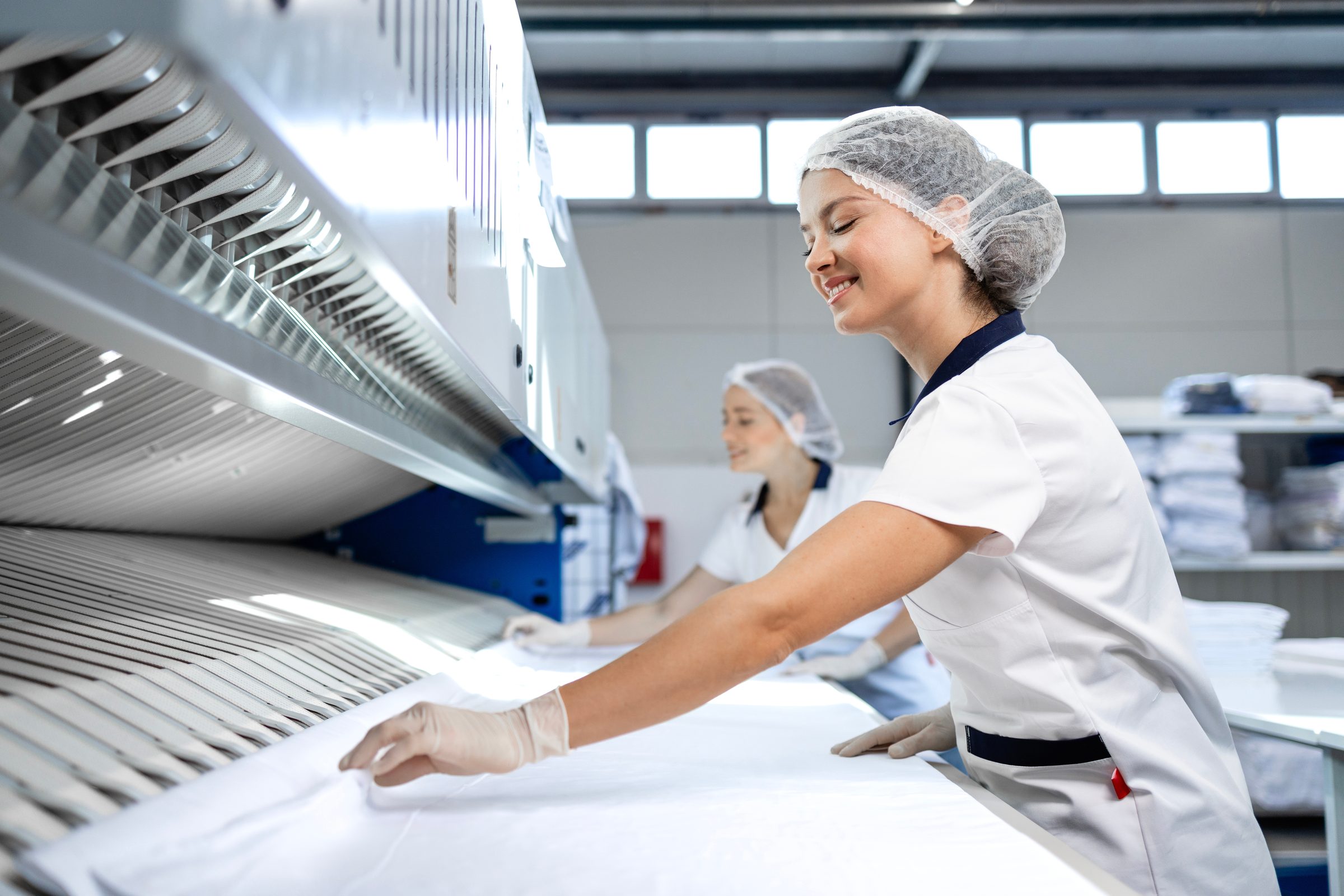
Why plants automate
Follow the linen.
From the truck on the soil side to the pack on the clean side, each system covers a real stage of the same journey.
-
Soiled return
Mixed bags, back from the customer
Dirty linen arrives unsorted. Manual sorting is slow, heavy work that is hard to staff.
-
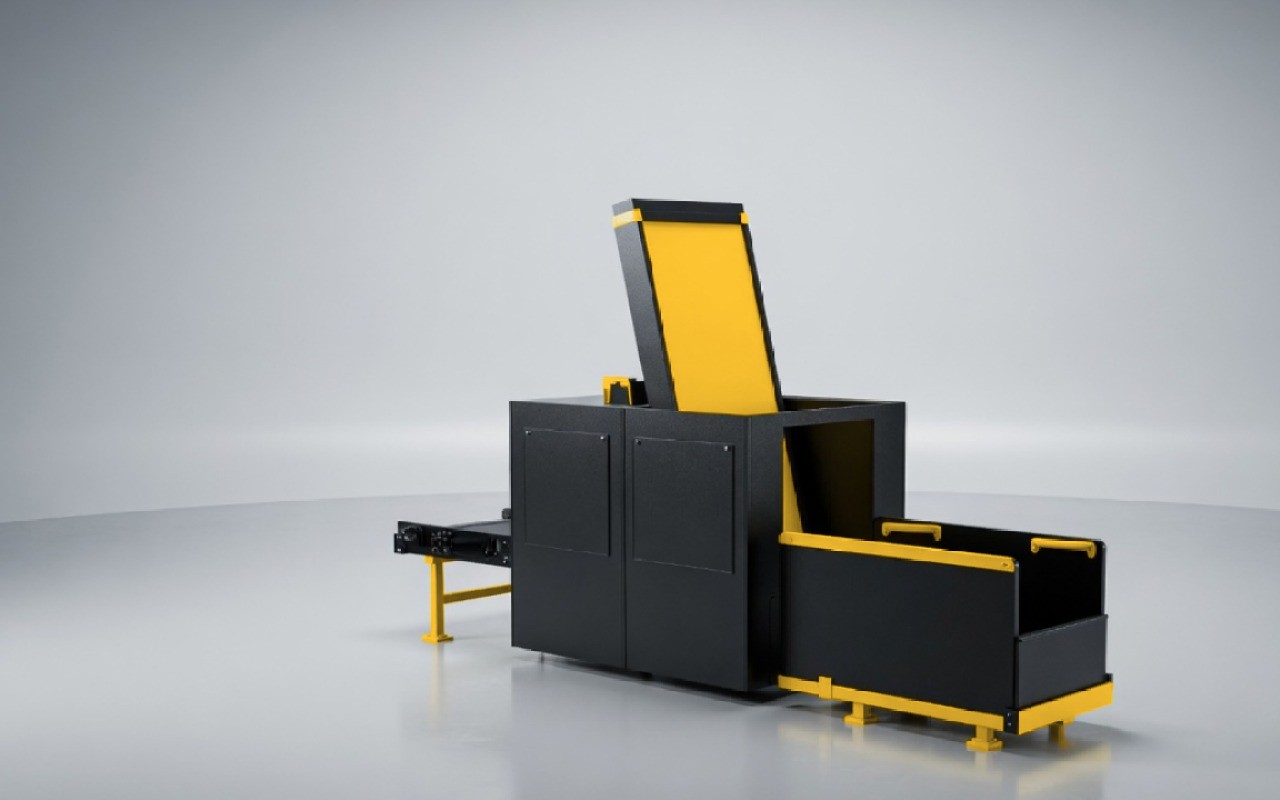
SAMI sort
A structured sort before wash
SAMI-2 and SAMI-4 take the mixed load off people and into a safer, faster soil sort.
-
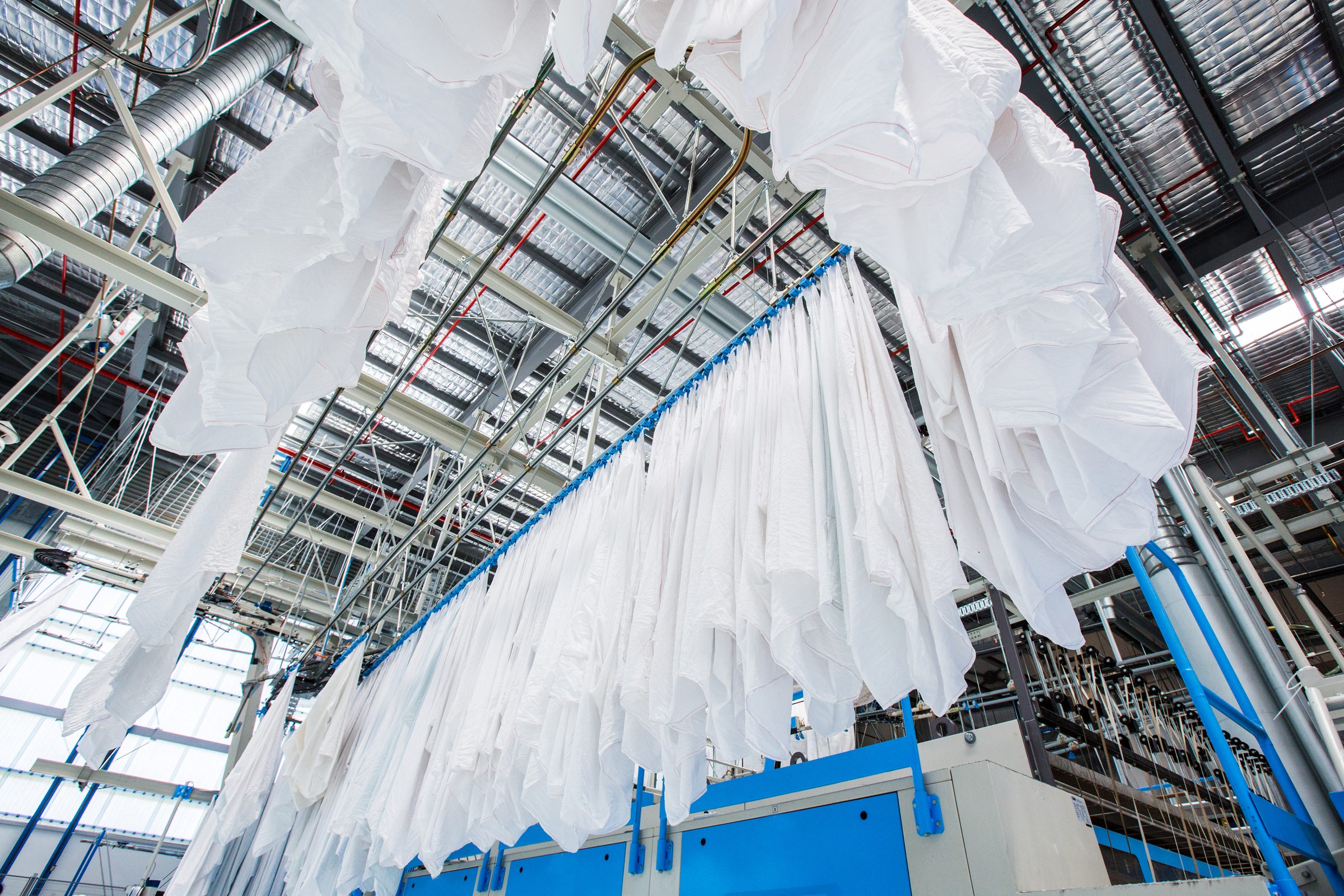
Wash & finish
Your existing line
Washers, ironers and folders run exactly as they do today. Nothing gets re-plumbed.
-
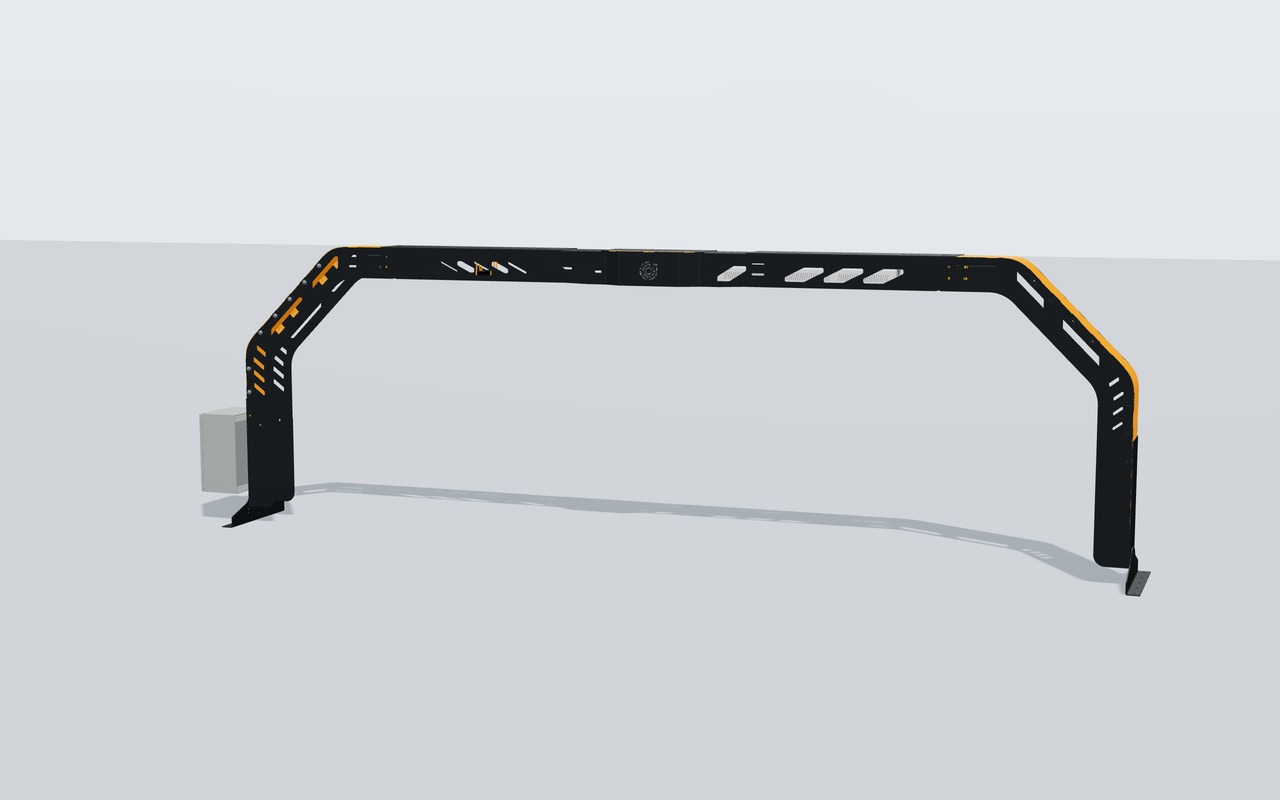
Threadscan QC
Every piece inspected
Cameras on the finishing line classify stains, holes and marks at line speed.
-
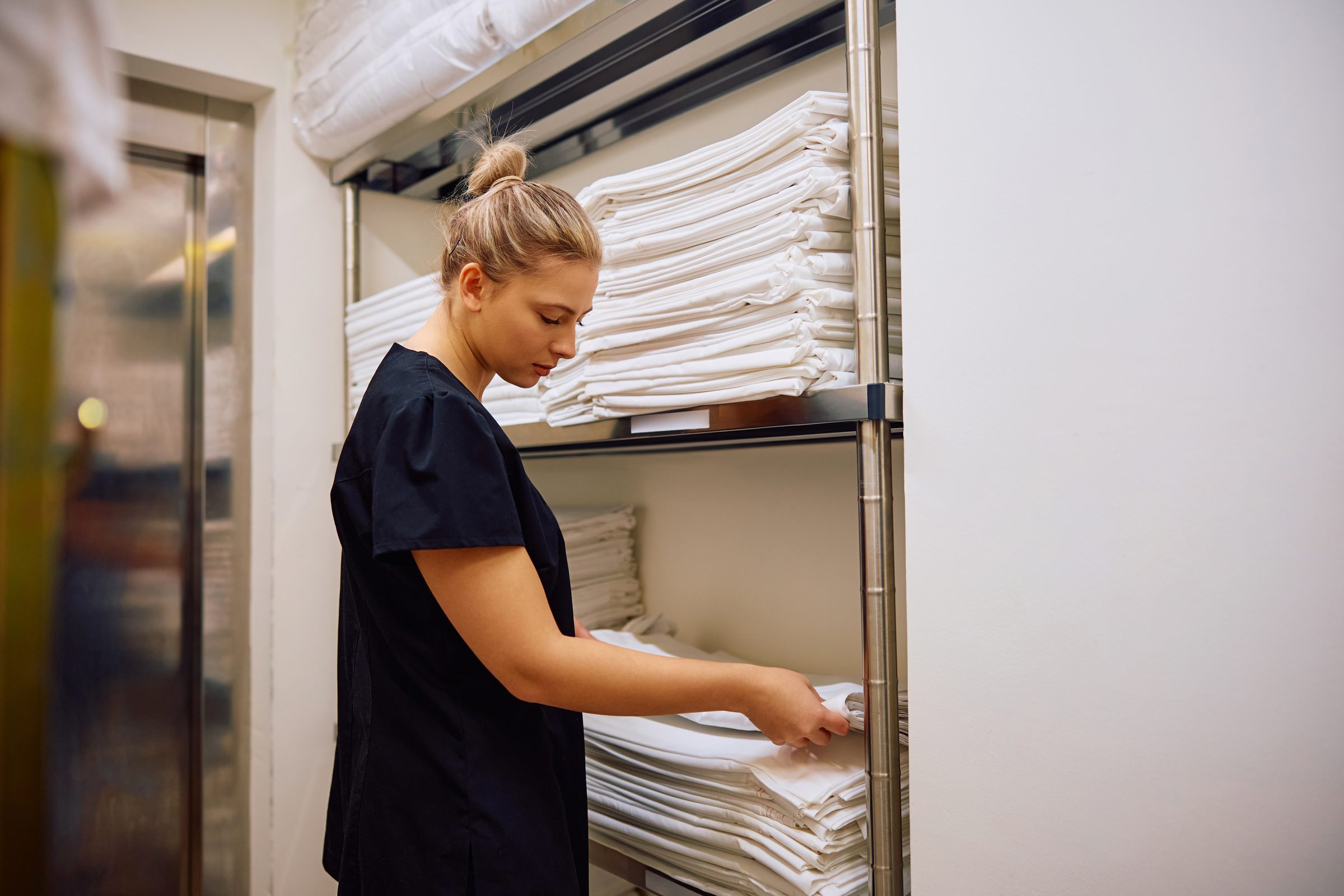
Guest-ready
The pack you meant to send
Defects eject before dispatch. Fewer claims, measured throughput, a line that improves.
Solutions
Three systems. One plant story.
From dirty linen back from the customer to inspected product on the clean side, each machine is built for a real stage of the laundry.
Vision quality control
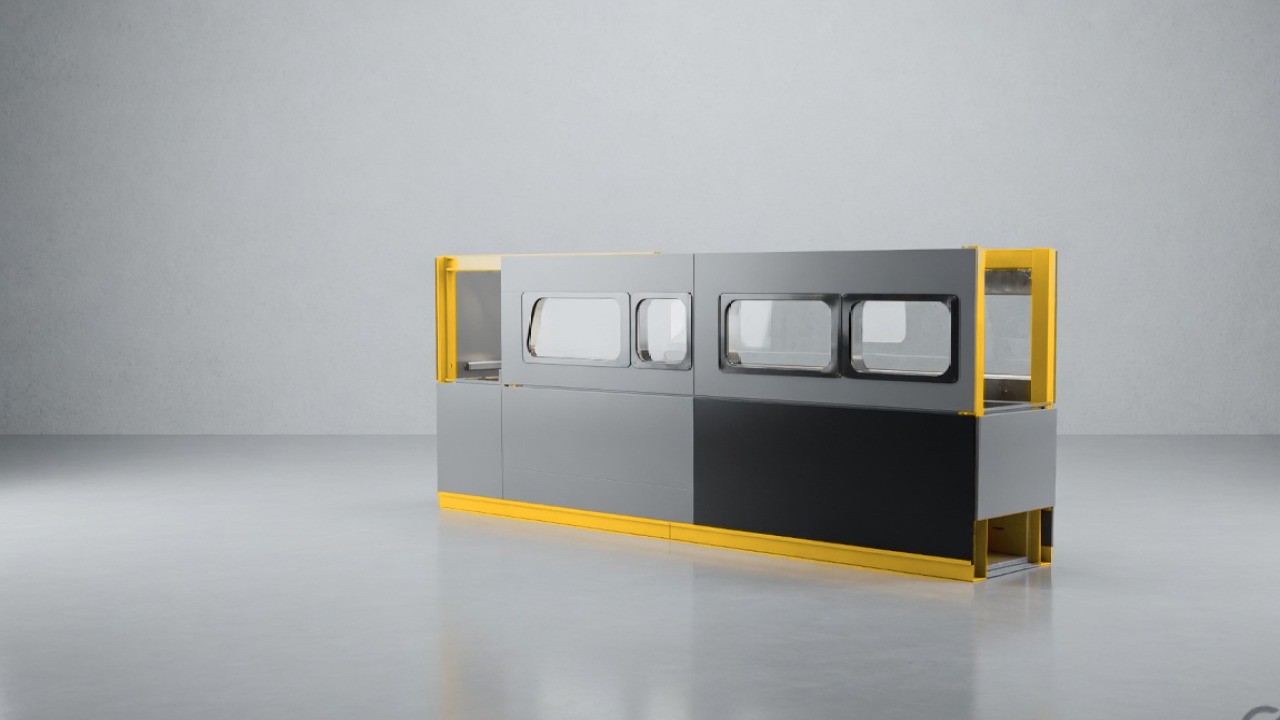
Threadscan
Clean linen · ironers & folders
AI defect detection at line speed. Stains, holes and marks caught before dispatch.
Explore Threadscan →Soiled linen sorting
SAMI-2
Dirty return · automated sort
Automated sorting for soiled linen returning from customers, with less manual handling.
Explore SAMI-2 →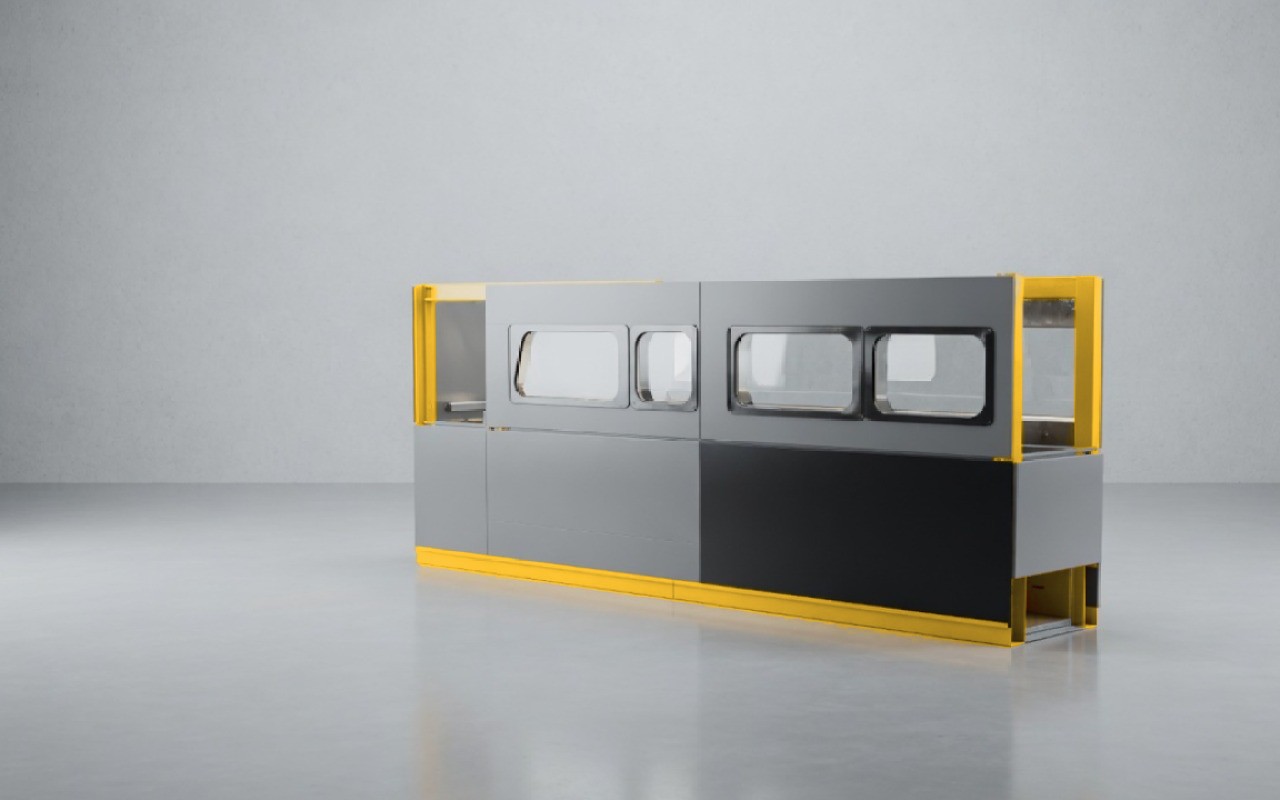
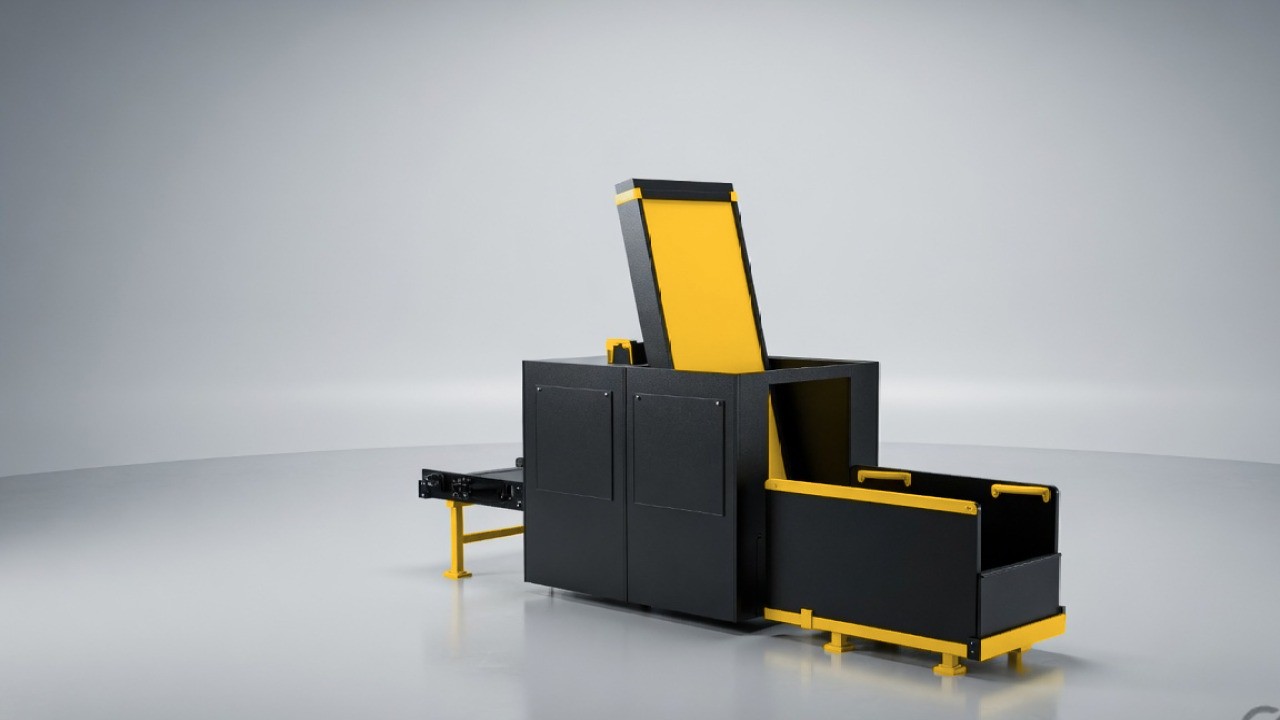
Soiled linen sorting
SAMI-4
Dirty return · higher capacity
Higher-capacity automated soiled linen sorting for larger plants.
Explore SAMI-4 →Soil-side automation
SAMI: automated sorting for customer returns.
SAMI-2 and SAMI-4 are automated sorting machines for soiled linen and garments coming back from hotels, hospitals, aged care providers, workplaces and any other business that uses your textile products. They take mixed dirty loads off people and into a structured and safe sort before the wash process. Capacity and layout are customisable by model and the unique processes of your laundry plant. However, the job is the same: safer, faster automated soil sort.
Explore each model
Clean-side quality
Threadscan: see the defect before the guest does.
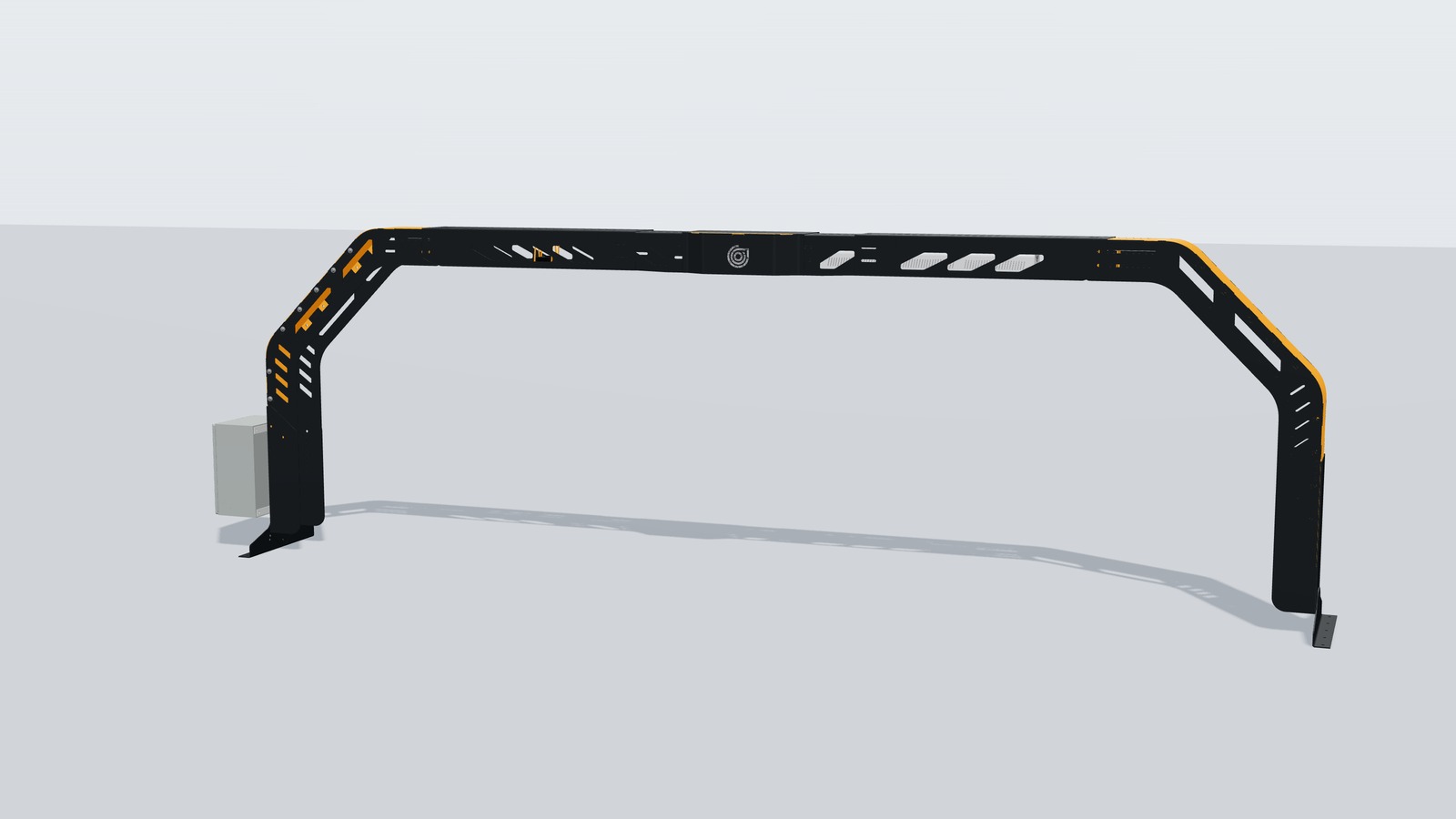
On ironer lines and towel folders, Threadscan uses industrial AI cameras and customised machine learning models to detect textile defects in real time. Then, closes the loop with review, training and production analytics to improve both the quality and efficiency of your laundry plant.
- · Line-speed classification
- · Operator review console
- · Continuous model improvement
Real-time detection
Cameras on ironers and towel folders classify stains, holes and marks at line speed.
Review & train
Operators flag noise, feed datasets, and deploy models that fit your linen mix.
Ops analytics
Throughput, utilisation and defect trends across devices and facilities.
RFID
Extend into linen tracking when inventory visibility is the next problem to solve.
Next step
Tell us about your plant.
Soil sort, clean-side QC, or both. We’ll map which systems fit your lines and volume.